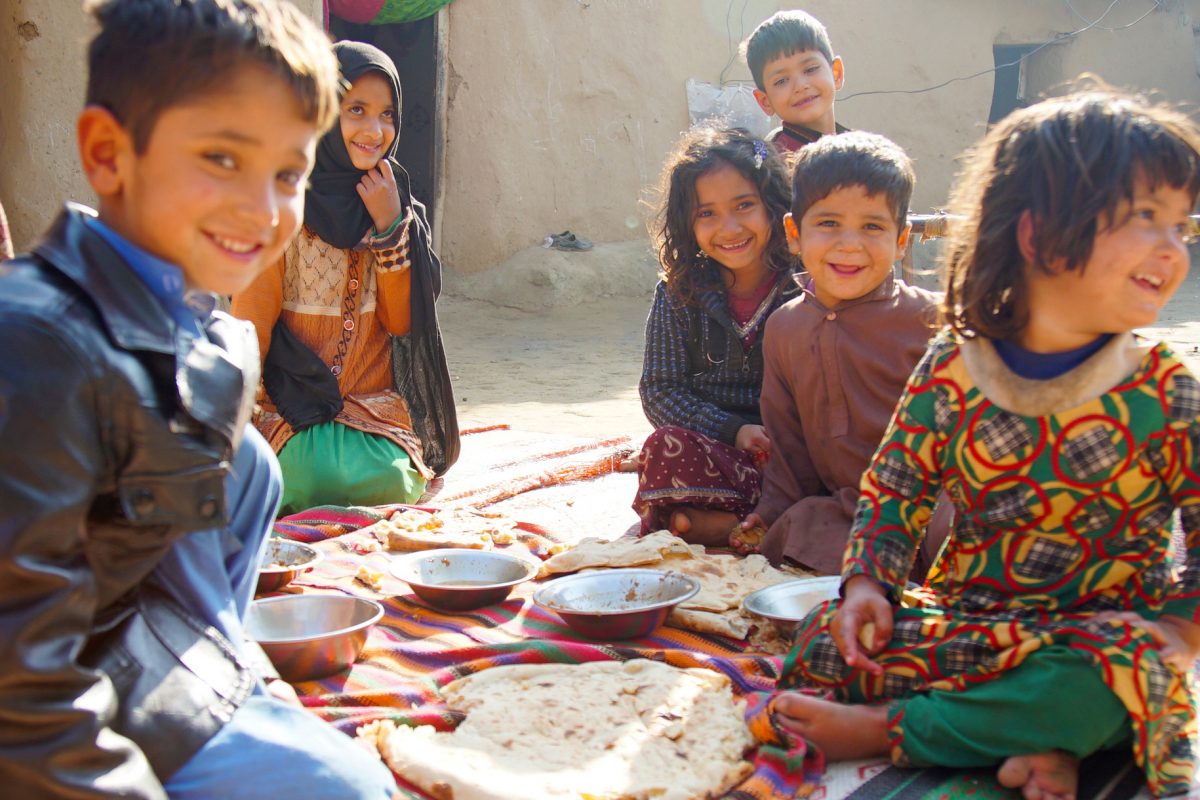
Children are among the most vulnerable groups of forcibly displaced people. ICMC works to respond to and prevent violence, exploitation and abuse of children, particularly those not accompanied by adults. In our child friendly spaces, they can play, learn and receive social support. We work to end child marriage and child labor. We foster positive parenting and develop supporting networks. Our experts propose responses in the best interest of the child.
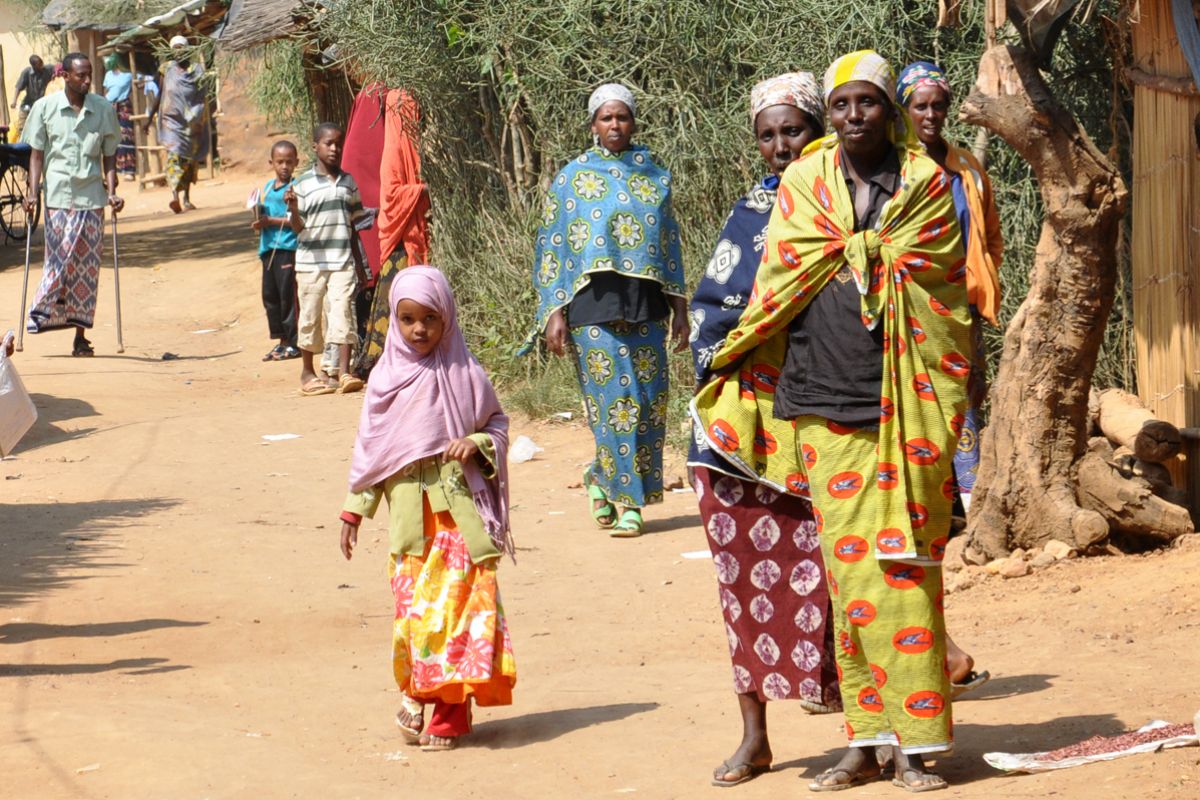
This type of violence affects especially women and girls. Although pervasive in today’s world, it peaks in situations of forced displacement. ICMC works to identify persons at risk and survivors. Our prevention and response include awareness-raising campaigns, individual counseling, hotlines for survivors, and advocacy tools. We provide survivors with safe shelters. And we offer them help, access to new means of subsistence, and medical care.
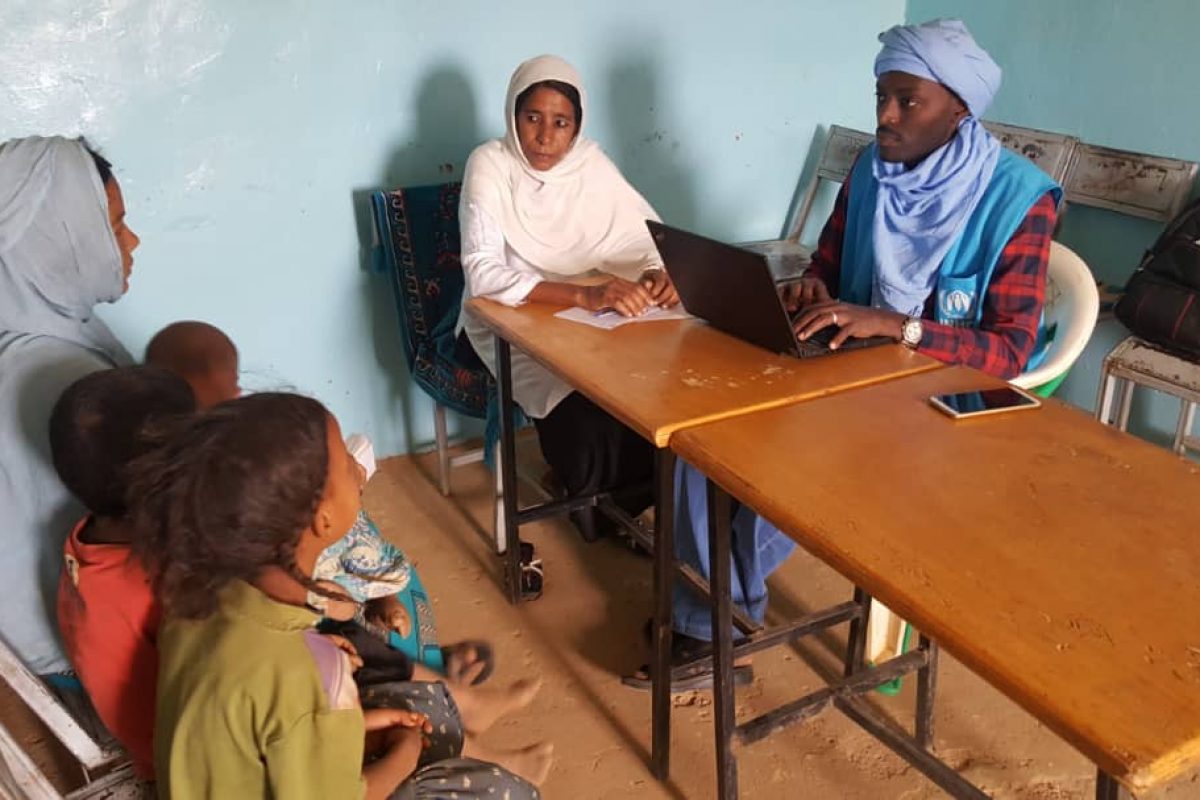
ICMC refugee and protection experts assist the UN Refugee Agency and governments. They identify and interview people seeking international protection. They assess whether a person can claim refugee status according to the law. Once refugee status is determined, ICMC experts may refer the refugee for resettlement to a third country. They also work to protect vulnerable refugees and help put fraud prevention mechanisms in place.
Having the right information is always essential. But in situations of forced displacement, it’s a matter of life and death. ICMC staff reach out, assess, and counsel vulnerable refugees about their rights. They identify persons with special needs and vulnerabilities and facilitate their access to legal and other support services. ICMC also trains government officials to boost institutional capacity and improve the quality of asylum procedures.